Conveying · sortation · palletizing

Bastian Solutions models peak sortation before steel is committed

Adaptive warehouse flow is designed around SKU mix, order waves, accumulation, divert timing and exception recovery—not a single line-rate slide.

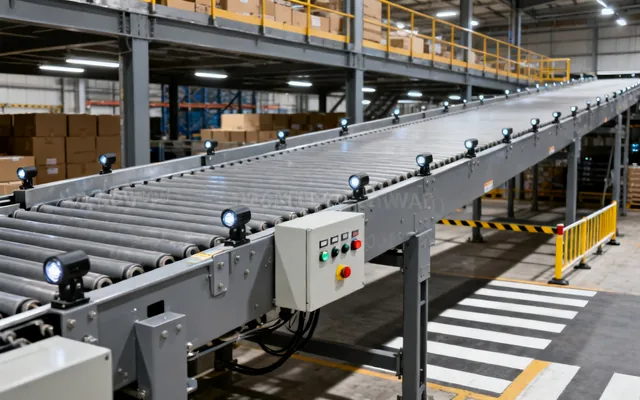
Distribution center conveyor and cross-belt sortation mezzanine
Throughput validation before cutover

Four records that keep sorter claims honest

Each record gives operations, controls, maintenance and EHS a shared way to examine assumptions for conveying, divert logic and pallet-build cells without treating a concept layout as installed proof.

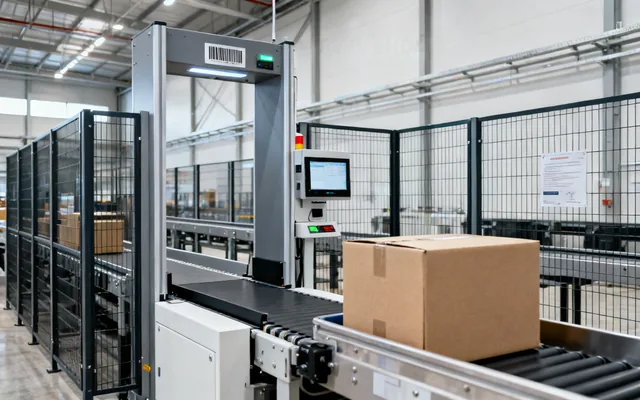
Sortation rate validation workshop
01

Throughput Validation

Rate is stated in cartons/hour or order lines/hour with SKU velocity mix, order-size distribution, replenishment demand, peak duration and downstream divert capacity. Backlog clearance after a blocked chute is measured inside the same observation window.

  • Average, design and sustained peak cases
  • Zero-pressure accumulation occupancy
  • Lost-read and recirculation behavior
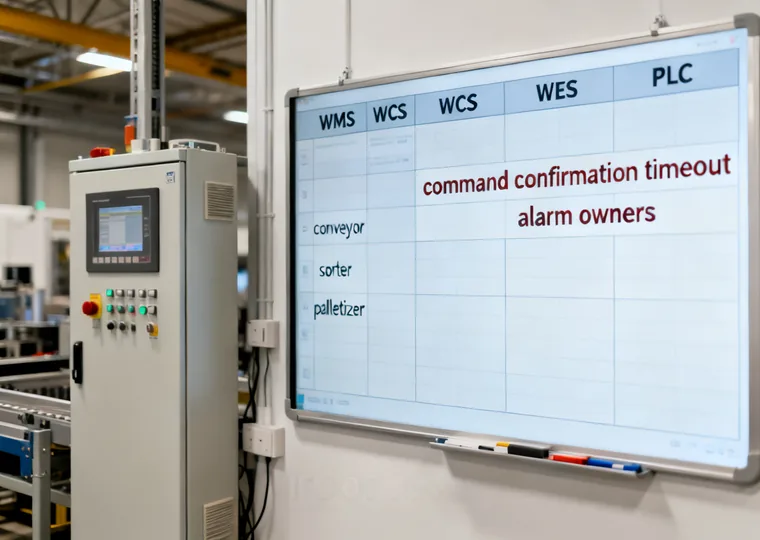
WMS WCS PLC responsibility matrix
02

Controls Responsibility Matrix

Commands, confirmations, timeouts, alarm ownership and restart authority are assigned at every WMS, WCS, WES, PLC and equipment boundary. The record distinguishes who detects a jammed merge from who may clear and restart the lane.

  • Mission release and destination ownership
  • OPC UA or fieldbus handshake timing
  • Manual mode and escalation permissions
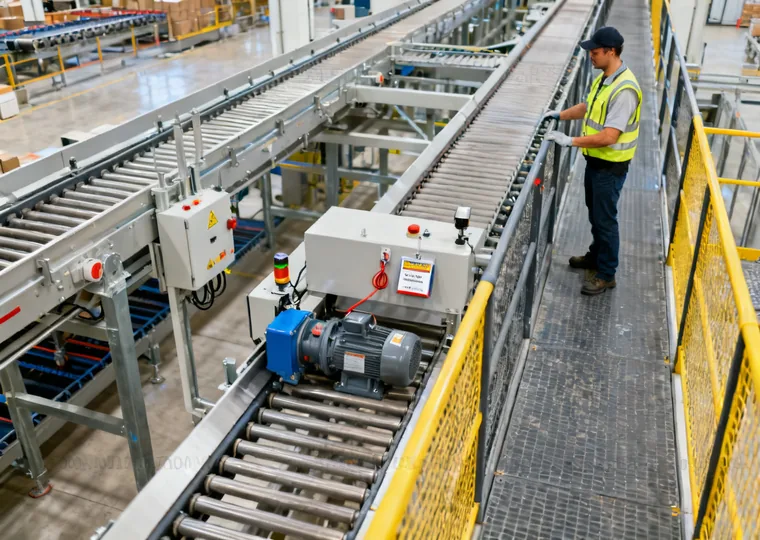
Conveyor maintenance access planning
03

Lifecycle Serviceability

Maintenance access, diagnostics points, critical spares and recovery procedures stay visible before operational handover. A divert module that cannot be isolated safely will fail every peak claim that depends on it.

  • Isolation and lockout sequences
  • Photo-eye, belt and drive spare strategy
  • Mean recovery steps after jam events
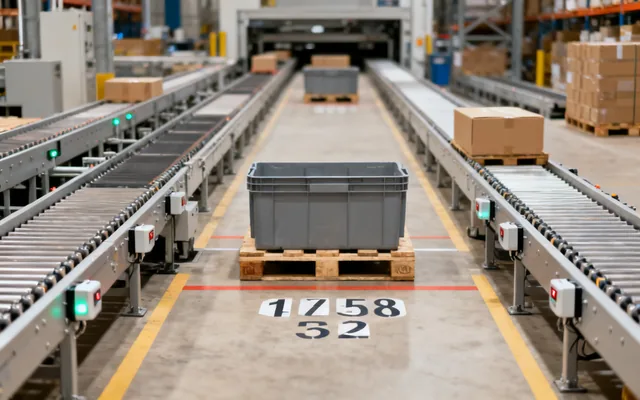
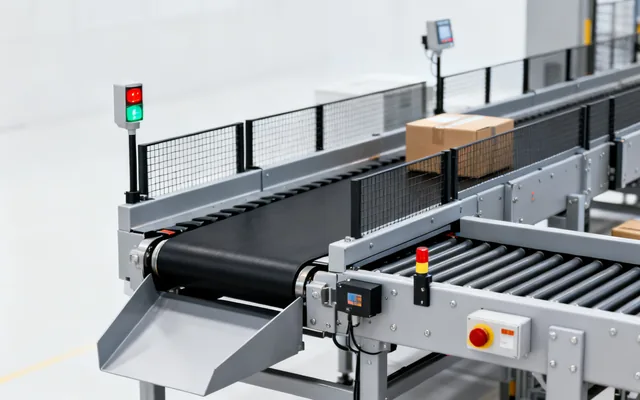
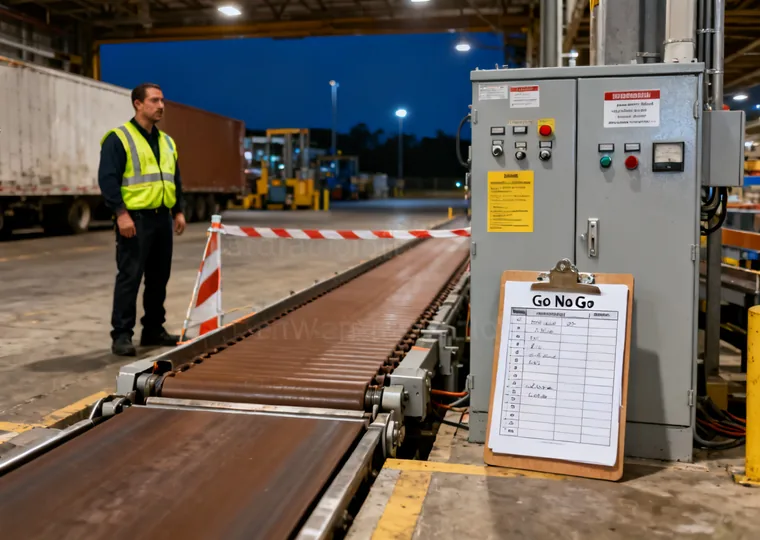
Brownfield conveyor cutover zone
04

Phased Project Delivery

Live operations stay protected with controlled cutover windows, fallback states and measurable acceptance gates. Each zone names the rollback trigger before the new sorter or palletizer cell assumes authority.

  • Zone-by-zone release gates
  • Fallback divert and manual pack paths
  • FAT and SAT evidence linkage
Products by flow stage

Receive to ship as one material-state thread

Cards follow warehouse movement rather than stacking abstract technology labels. Every stage ends with a physical state and a digital confirmation that sortation and palletizing teams can test.

01 · ReceiveInbound scan and dimension station

Validate identity

Hold, release and exception states connect receiving evidence to the inventory record before induction.

02 · StoreStaging buffers before sortation

Stage recoverable loads

Buffer rules retain access and recovery implications beyond raw cube utilization.

03 · MoveTransfer conveyors between zones

Orchestrate shared capacity

Merges, gap creation and handshakes expose congestion before a missed cutoff.

04 · PickPick-to-conveyor induction

Confirm the human handoff

Station-ready and short-pick states stay synchronized with physical work at induction.

05 · SortCross-belt sorter divert lanes

Protect divert logic

Accuracy depends on timing, spacing, destination capacity and lost-read recirculation.

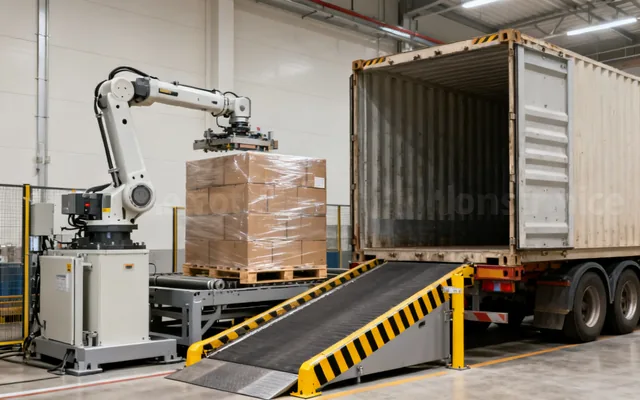
06 · ShipPalletizing cell at shipping dock

Close the shipment

Pallet pattern, dock assignment and inventory status reconcile before trailer departure.

Open the conveyor catalog →

Framework scope — project performance remains subject to the agreed data set, geometry and FAT/SAT method. Figures below are planning references, not certified public claims.

6flow stages traced
3rate scenarios minimum
2acceptance gates: FAT + SAT
54countries in planning scope
Operating profiles before product labels

Industry conditions that rewrite sorter decisions

E-commerce fulfillment

High SKU depth, compressed cutoffs and promotion peaks expose induction balance, recirculation load and chute capacity.

Grocery distribution

Store sequencing, mixed case sizes and freshness windows change merge timing and pallet-build rules.

Manufacturing supply

Line-side handoffs tie tote and pallet availability to takt, work orders and a defined response when a station cannot receive.

Parcel sort hubs

Loose parcel dimensions, gap creation and divert density dominate cross-belt and shoe-sorter design assumptions.

Cold chain staging

Temperature affects sensors, belt traction, condensation controls and safe recovery access during prolonged stops.

Brownfield multi-zone DCs

Existing conveyors, floor quality and staged releases determine whether a new sorter can protect daily fulfillment.

Compare operating profiles →
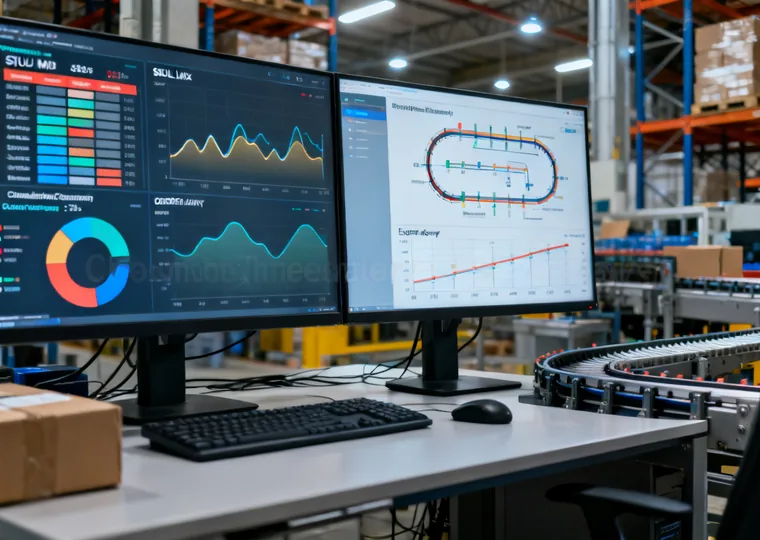
Control room overlooking sortation and palletizing
Start with testable inputs

Bring a normal day, a peak window and one jammed divert

Share load units, SKU/order distributions, sorter destinations, pallet patterns, interface owners and the exceptions operations cannot accept. Bastian Solutions uses those boundaries to frame simulation, emulation and acceptance work.

Build the data packet